
Chelsey Ortman: Rewriting the future of pediatric epilepsy care
Reviewed by: Chelsey Ortman, M.D.
Written by: Lily Vining
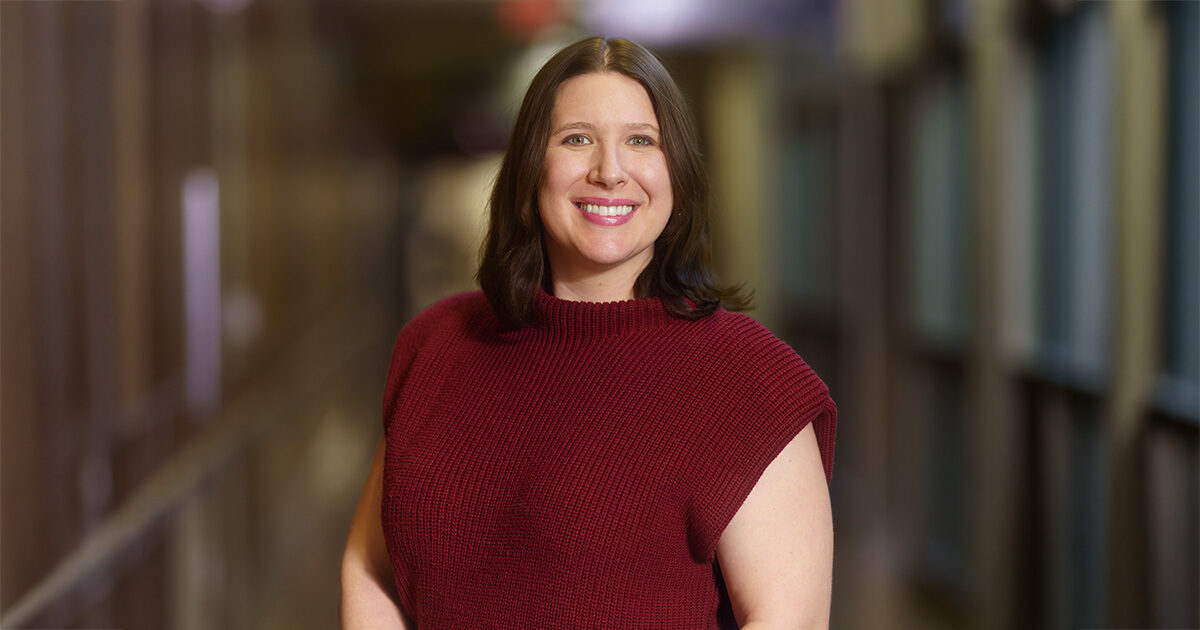
For Chelsey Ortman, M.D., every case of pediatric epilepsy is an opportunity to rethink what’s possible, as well as a reminder of how much is still unknown.
“There’s no one-size-fits-all approach,” says Ortman, a board-certified pediatric neurologist at UT Health Austin Pediatric Neurosciences at Dell Children’s, a clinical partnership between Dell Children’s Medical Center and UT Health Austin. “Many of our patients have tried everything else. That’s when you really have to start thinking differently.”
That mindset guides both her patient care and her research. A faculty member at Dell Medical School, Ortman is part of a collaborative team working to expand options for children with treatment-resistant epilepsy, especially those who may not qualify for surgery. At the heart of her current work is a growing interest in neurostimulation: implantable devices that modulate brain activity and reduce seizures.
A new window for the youngest patients
While neurostimulation has been used for years in adults, its role in children is still evolving. Ortman is part of a multidisciplinary study team examining the use of vagus nerve stimulation in children under age 4, a population with limited treatment options and little published data.
“These are kids who’ve often tried five or more medications and dietary therapies like the ketogenic diet,” Ortman explains. “For some, there just isn’t a clear surgical target, but VNS can offer another chance. It’s less invasive and opens the door to seizure control.”
Early findings from the study are promising: The procedure appears safe in this younger population, with complication rates comparable to older kids. The research group, which includes epilepsy specialists, neurosurgeons and clinical research partners, is now expanding the study to better understand long-term outcomes and developmental effects.
Ortman and her colleagues are also gaining experience with newer devices like responsive neurostimulation and deep brain stimulation in older children and adolescents. Though these technologies are Food and Drug Administration-approved for adults, their use in pediatric populations is considered off-label and full of potential.
“RNS is especially exciting when seizures come from areas of the brain we can’t safely remove,” Ortman says. “It allows us to target those areas directly while preserving essential functions like memory or language.”
For families whose children have exhausted other treatment avenues, these technologies represent more than just medical options — they offer hope for a better quality of life.
Using AI to improve diagnosis
Ortman is also exploring how artificial intelligence might support earlier diagnosis for infants with suspected head trauma. While still in the concept phase, the idea involves training algorithms to detect subtle patterns in EEG data that may indicate injury.
“Not every infant with suspected injury gets a brain scan,” she says. “But many undergo EEG testing. If we can eventually use those EEGs to flag concerns earlier, we might be able to get more kids the care they need, sooner.”
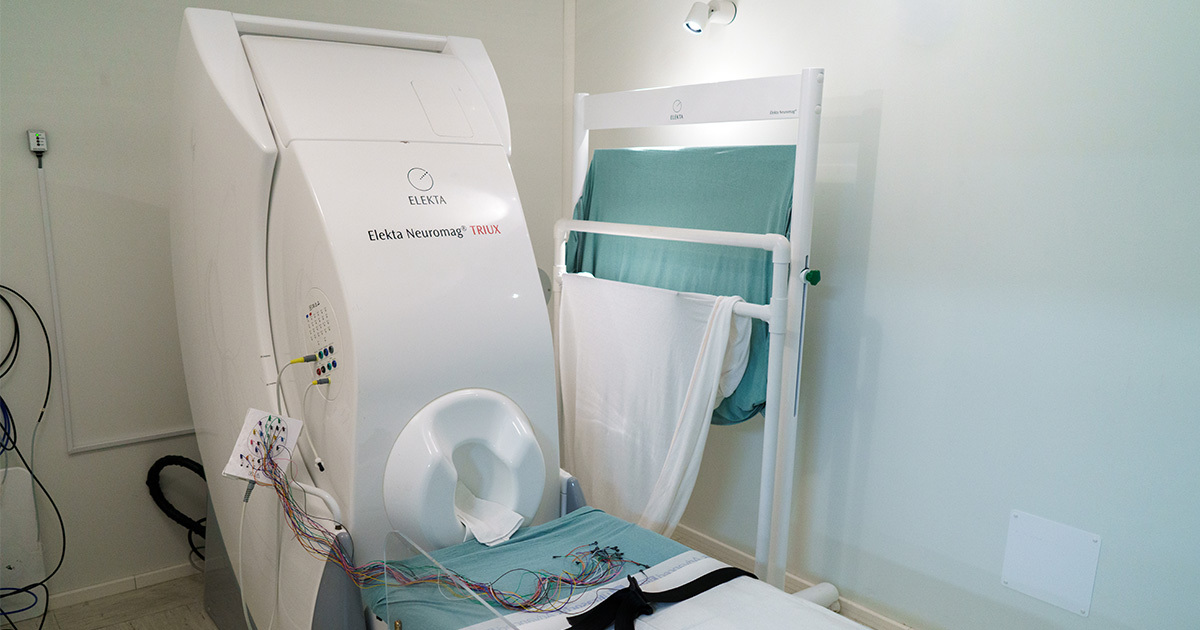
Though the project is still under consideration, it reflects a broader interest at Dell Med in harnessing digital tools to improve pediatric care, especially in cases where conventional approaches fall short.
Teamwork at the core
Throughout her work, Ortman returns often to the theme of collaboration, not just as a value, but as a driving force.
“Everything we do is as a team,” she says. “Our research only works because of the coordination between neurologists, neurosurgeons, psychologists, data scientists and research staff. That collaboration is what allows us to move quickly and ask meaningful questions that lead to real change.”
As a clinician-researcher, Ortman is helping shape a new generation of epilepsy care, one rooted in innovation. And while her work is deeply technical, its goal is profoundly human: to give every child the best chance at a healthier future.
“We still have a lot to learn,” she says. “But we’re getting better every day — and that means better futures for our patients.”
Learn more about UT Health Austin Pediatric Neurosciences at Dell Children’s.